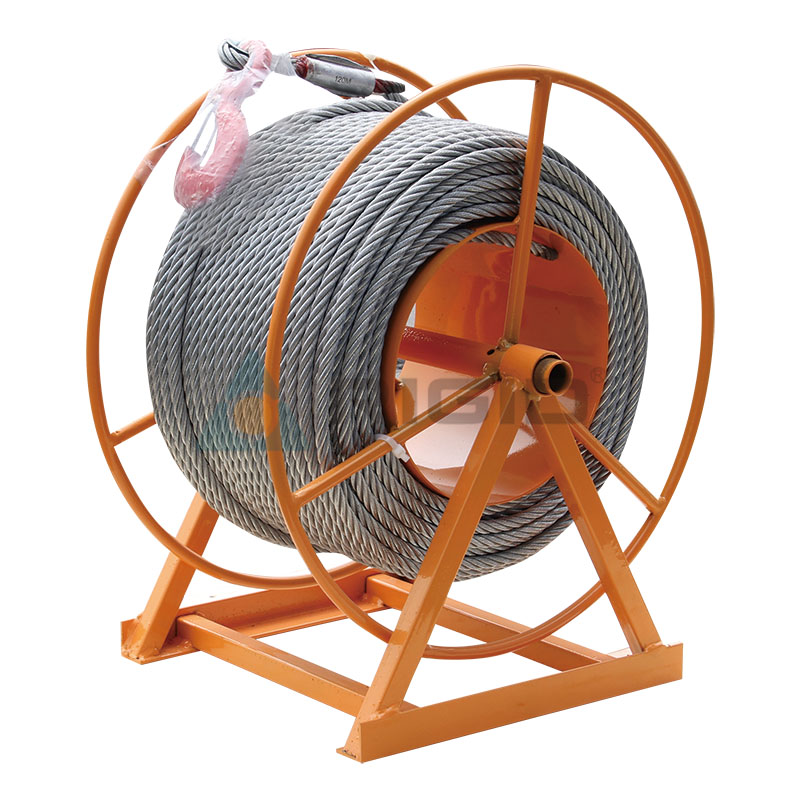
Construction elevator manufacturers, tower crane factories and lifting equipment distributors often face hidden operational hazards from inferior traction steel wire ropes. Low-grade wire strands have unstable breaking tension, prone to sudden strand breakage under long heavy-load circulation; uncoated raw steel quickly rusts in open-air construction sites, shortening replacement cycles and increasing equipment maintenance costs. Many small suppliers only provide single diameter specifications, unable to match different tonnage hoist models, forcing manufacturers to source multiple rope vendors. Rigid’s CE certified traction hoist wire rope series adopts optimized multi-strand weaving structure with factory pre-lubrication and full size grading, unifying load safety standards and multi-scene adaptability to reduce safety accident risks and spare parts procurement costs for lifting equipment brands.
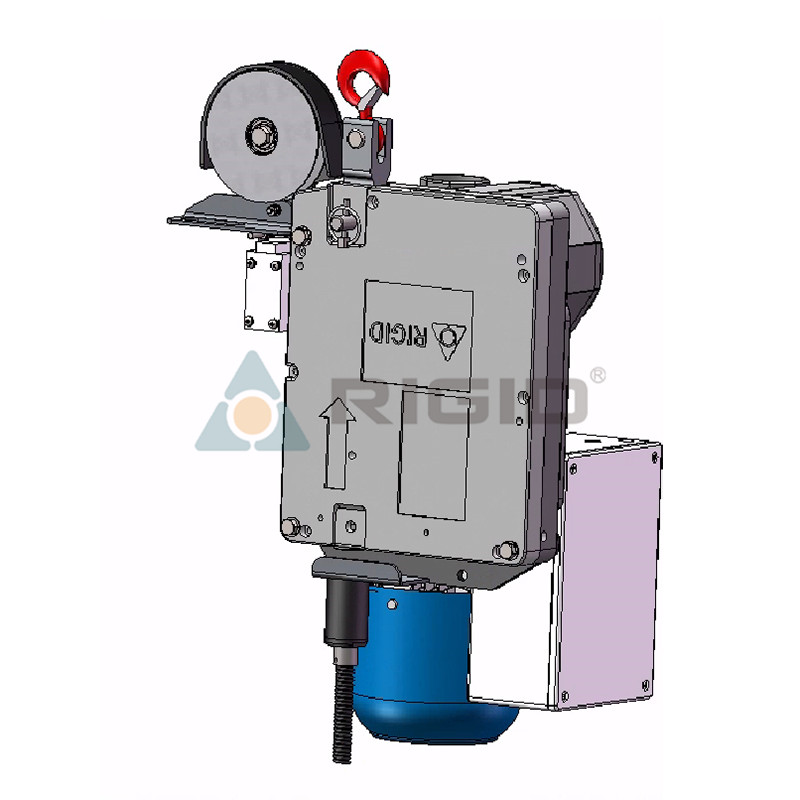
The MT50 Material Lifting Hoist has become one of the most reliable solutions for lifting heavy materials safely and efficiently in construction sites, warehouses, factories, and maintenance environments. This comprehensive guide explores how the MT50 lifting hoist improves productivity, enhances workplace safety, reduces labor intensity, and supports modern industrial operations.
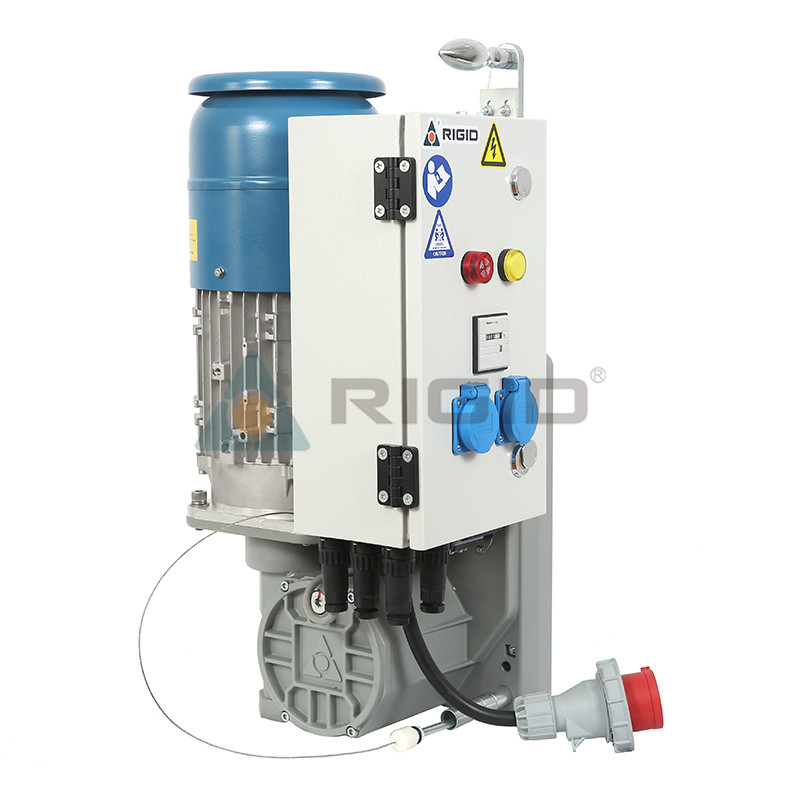
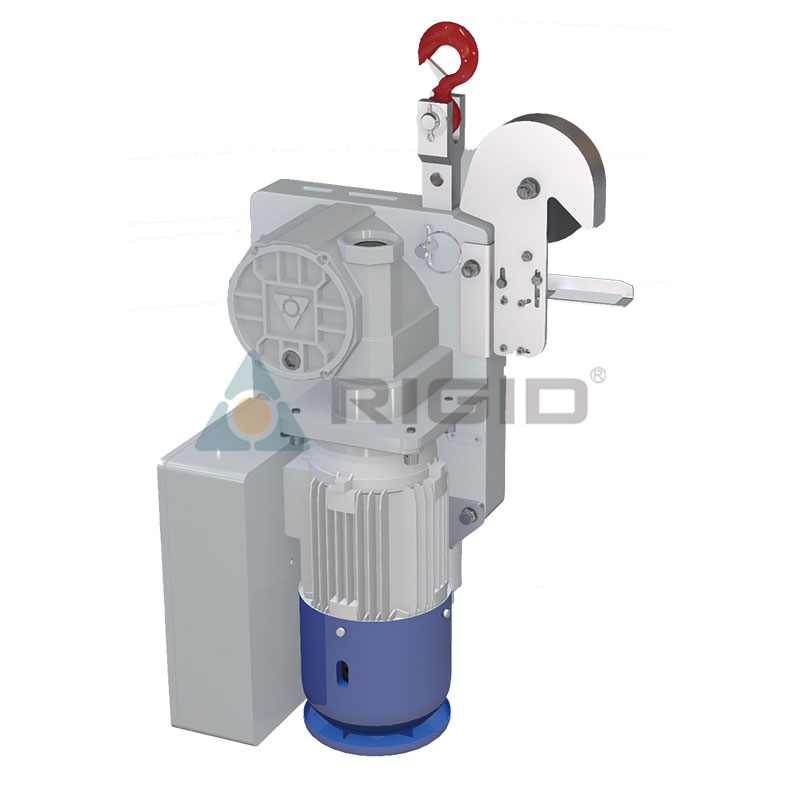
The 500-1000kg traction hoist for elevator systems plays a critical role in modern construction and vertical transportation projects. As buildings become taller and logistics more complex, reliable lifting equipment is no longer optional—it is essential. This article explores how traction hoists within the 500-1000kg capacity range improve operational safety, enhance efficiency, reduce labor costs, and ensure stable performance in demanding environments. It also provides a comprehensive guide on selection criteria, installation considerations, maintenance practices, and common challenges faced by contractors and engineers. Whether you are working in high-rise construction, industrial maintenance, or elevator installation, understanding this equipment can significantly improve project outcomes.
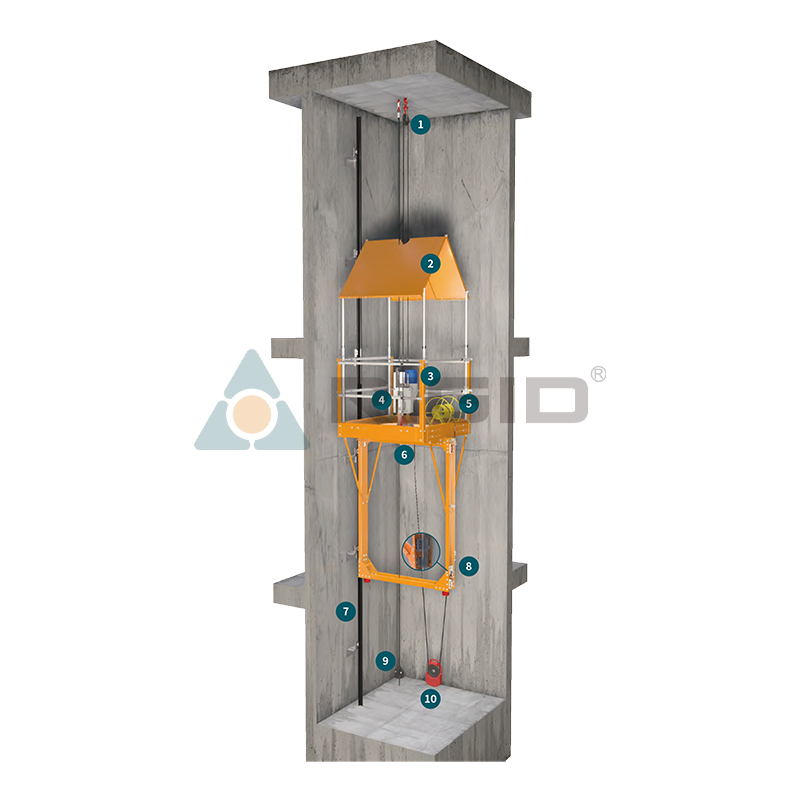
In modern elevator installation, safety, efficiency, and precision are non-negotiable. The FC1000 False Car for Elevator Installation has emerged as a critical tool that addresses multiple challenges faced by contractors, engineers, and project managers. This article explores its functions, advantages, applications, and best practices, helping clients understand how it solves real-world installation pain points while improving productivity and safety standards.
The MT50 Material Lifting Hoist is engineered to address the operational challenges of vertical material handling in construction, renovation, and industrial maintenance environments. This article provides a structured and technical examination of the MT50 Material Lifting Hoist, focusing on its design philosophy, mechanical parameters, operational workflow, and real-world application scenarios. By adopting a “how” framework, the content explains how the MT50 functions, how it integrates into jobsite processes, and how it aligns with evolving lifting requirements. The article also addresses frequently asked questions, outlines industry references, and concludes with brand context and contact guidance.
We use cookies to offer you a better browsing experience, analyze site traffic and personalize content. By using this site, you agree to our use of cookies.
Privacy Policy


 28 2026-08
  31 2026-07
  20 2026-05
  24 2026-04
  27 2026-03
  19 2025-12