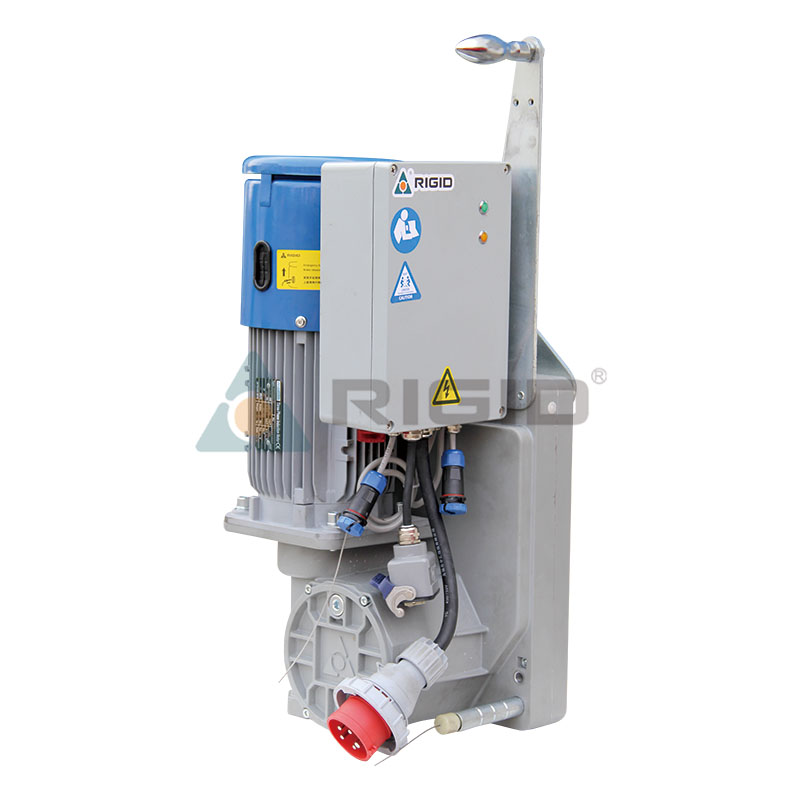
The 500-1000kg traction hoist for elevator systems plays a critical role in modern construction and vertical transportation projects. As buildings become taller and logistics more complex, reliable lifting equipment is no longer optional—it is essential. This article explores how traction hoists within the 500-1000kg capacity range improve operational safety, enhance efficiency, reduce labor costs, and ensure stable performance in demanding environments. It also provides a comprehensive guide on selection criteria, installation considerations, maintenance practices, and common challenges faced by contractors and engineers. Whether you are working in high-rise construction, industrial maintenance, or elevator installation, understanding this equipment can significantly improve project outcomes.
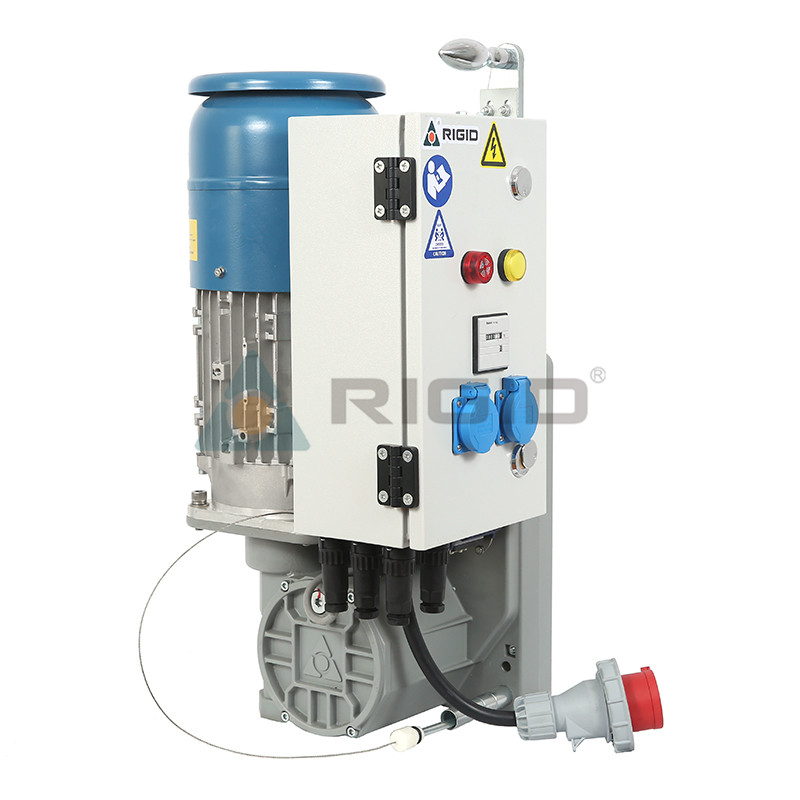
1. Introduction to Traction Hoists
A traction hoist for elevator systems is a specialized lifting device designed to move materials and personnel vertically in construction and maintenance projects. Unlike traditional winch systems, traction hoists use friction between ropes and drive sheaves to generate smooth and controlled lifting motion. The 500-1000kg capacity range is widely considered ideal for medium-duty construction and elevator installation tasks.
This category of hoist is particularly valued in modern urban development projects, where efficiency, precision, and safety are critical. Whether lifting steel components, construction tools, or elevator cabins, traction hoists ensure controlled movement and reduce the risk of mechanical failure.
2. Why 500-1000kg Capacity Matters
The 500-1000kg lifting capacity range is not arbitrary. It represents a balanced engineering solution between power and adaptability. Many construction environments require equipment that is strong enough to handle heavy loads but still compact and flexible enough for confined spaces.
-
500kg capacity: Ideal for lighter elevator components, tools, and maintenance materials.
-
800kg capacity: Suitable for medium-scale construction projects and frequent lifting cycles.
-
1000kg capacity: Designed for heavier loads, including elevator cabins and structural materials.
This range ensures that contractors can standardize equipment across different project stages without needing multiple machines, reducing both cost and complexity.
3. How a Traction Hoist for Elevator Works
A traction hoist operates based on friction-driven lifting mechanics. The system typically includes a motor, traction sheave, wire ropes, counterweights, and control systems. The motor drives the sheave, which grips the rope and moves the load vertically.
Basic working process:
-
The motor activates the traction sheave.
-
Wire ropes pass through the sheave grooves.
-
Friction between rope and sheave creates lifting force.
-
The load is moved upward or downward smoothly.
-
Brake systems ensure controlled stopping and safety.
This mechanism ensures stable movement, reducing vibration and mechanical stress, which is essential for elevator system installation accuracy.
4. Key Benefits in Real Construction Scenarios
Traction hoists are widely used in construction due to their reliability and performance advantages. Below are key benefits observed in real-world applications:
|
Benefit
|
Description
|
|
High Safety Level
|
Equipped with overload protection, emergency braking, and anti-slip systems.
|
|
Stable Operation
|
Reduces load swing and ensures precise vertical movement.
|
|
Energy Efficiency
|
Optimized motor systems reduce electricity consumption.
|
|
Cost Savings
|
Reduces labor requirements and accelerates project timelines.
|
|
Versatility
|
Suitable for elevators, construction sites, and industrial maintenance.
|
These advantages make traction hoists a preferred solution for contractors aiming to balance productivity and safety.
5. Traction Hoist vs Other Lifting Systems
Understanding how traction hoists compare with other lifting systems helps in making informed procurement decisions.
|
System Type
|
Advantages
|
Limitations
|
|
Traction Hoist
|
Smooth operation, high safety, energy efficient
|
Requires proper installation alignment
|
|
Winch System
|
Simple structure, low cost
|
Less stable, higher vibration
|
|
Hydraulic Lift
|
Strong lifting force
|
Slower speed, higher maintenance
|
Among these, traction hoists provide the best balance between performance and safety for elevator-related applications.
6. How to Choose the Right Hoist
Selecting the right 500-1000kg traction hoist requires careful evaluation of project requirements. Below are key factors to consider:
-
Load Requirements: Always calculate maximum lifting weight with safety margin.
-
Speed Control: Variable speed systems improve precision and safety.
-
Motor Power: Ensure motor capacity matches operational demands.
-
Safety Features: Overload sensors, emergency brakes, and limit switches are essential.
-
Environmental Conditions: Dust, humidity, and temperature affect performance.
Choosing the correct model ensures long-term reliability and reduces operational risks.
7. Installation and Operational Guidelines
Proper installation is critical to ensure optimal performance and safety of traction hoists. Below are essential steps:
-
Ensure structural support is stable and properly aligned.
-
Install traction sheave and motor system securely.
-
Check wire rope tension and alignment.
-
Test braking and emergency systems before full operation.
-
Conduct trial lifting under no-load and full-load conditions.
Operators should always be trained professionals to ensure compliance with safety protocols.
8. Maintenance and Safety Management
Routine maintenance extends the lifespan of traction hoists and ensures consistent safety standards.
-
Inspect wire ropes regularly for wear and deformation.
-
Lubricate moving parts to reduce friction.
-
Test braking systems frequently.
-
Check electrical connections for stability.
-
Replace worn components immediately.
Preventive maintenance is always more cost-effective than emergency repairs.
9. Common Problems and Solutions
|
Problem
|
Possible Cause
|
Solution
|
|
Load slipping
|
Worn wire ropes or sheave
|
Replace components and inspect alignment
|
|
Overheating motor
|
Overload or poor ventilation
|
Reduce load and improve cooling system
|
|
Unstable movement
|
Improper installation
|
Recalibrate system alignment
|
Addressing these issues early prevents downtime and ensures operational efficiency.
10. Industry Applications
The 500-1000kg traction hoist for elevator systems is widely used across multiple industries:
-
High-rise building construction
-
Elevator installation and maintenance
-
Industrial plant assembly
-
Warehouse logistics systems
-
Infrastructure development projects
Its adaptability makes it a core piece of equipment in modern engineering environments.
11. Frequently Asked Questions
Q1: Is a 500-1000kg traction hoist suitable for passenger elevators?
It is mainly used for construction and installation phases rather than permanent passenger transport systems.
Q2: How often should maintenance be performed?
Basic inspection should be done daily, with full maintenance checks monthly or depending on usage intensity.
Q3: Can it operate in harsh environments?
Yes, but protective measures must be implemented for dust, moisture, and extreme temperatures.
Q4: What is the average lifespan of a traction hoist?
With proper maintenance, it can last 8–15 years depending on usage conditions.
Q5: Is operator training necessary?
Yes, professional training is essential for safety and operational efficiency.
12. Conclusion and Professional Support
The 500-1000kg traction hoist for elevator applications is an indispensable tool in modern construction and industrial operations. Its combination of safety, efficiency, and versatility makes it a preferred choice for engineers and contractors worldwide. From smooth load control to advanced safety systems, it ensures that complex lifting tasks are completed with precision and reliability.
For businesses seeking high-quality traction hoist solutions, working with experienced manufacturers is essential. A trusted supplier ensures not only product reliability but also long-term technical support and customization options.
Wuxi Rigid Machinery Co., Ltd. is committed to providing professional-grade lifting equipment designed to meet demanding industrial requirements. With advanced engineering capabilities and strict quality control, the company delivers dependable solutions for global clients.
If you are looking for durable, safe, and efficient traction hoist systems tailored to your project needs, please contact us today to discuss your requirements and receive expert support from our engineering team.